Most managers hear "first aid training" and visualize a full day out of the office, interfered with timetables, and a shuffle to discover cover. I have actually lost count of the number of times a client has claimed, "We know we need first aid courses for compliance, however we just can not save staff for an entire day right now."
That stress in between lawful obligation and functional stress is precisely where express first aid courses make their area. When they are designed effectively, they give staff the essential skills and keep you compliant, while minimising time away from the work. When they are done poorly, they end up being a tick‑box exercise that falls apart the very first time a person breaks down in the stockroom or a kid chokes in the child care room.
This post walks through just how to make use of express first aid and CPR training wisely, so you remain within office requirements without throwing away time or money.
What "express" in fact indicates in first aid training
"Express first aid course" seems simple, however different carriers utilize the term in really various ways. For many years, I have seen it used to suggest anything from a concentrated three‑hour CPR refresher, Joondalup first aid to a totally combined program where most concept rests online and the in‑person sensible is compressed into a short, intensive block.
At its core, an express first aid course aims to condense the get in touch with hours while still meeting the finding out end results of a basic first aid and CPR course. That could be:
- A much shorter in‑person session that focuses on skills method, backed by pre‑course online concept modules. A structured version of a complete first aid training program where non‑essential topics are cut, yet lawful or market needs continue to be intact.
The danger is obvious. You can reduce time, however you can not cut the essential skills. Heart attack does not care that the training was "fast certification". If a worker ices up because the course went too rapidly and they never really practiced upper body compressions, your compliance paperwork will be worth really little.
The good express courses fix that by moving concept out of the class and making the face‑to‑face part intensely practical. Done right, that allows a fast first aid course deliver equivalent or far better ability retention than a sluggish, lecture‑heavy day.
How express training matches work environment compliance
Different jurisdictions utilize different guidelines, however most modern office safety structures merge on a couple of expectations. Employers need to:
- Provide accessibility to appropriate first aid devices and facilities. Ensure sufficient numbers of experienced very first aiders. Keep training current, typically with CPR correspondence course every one year and complete first aid recertification every 2 to 3 years. Consider the certain dangers of their workplace and industry, such as childcare, building and construction, production, or remote work.
An express first aid training program can satisfy these expectations if three problems hold:
First, the course material have to map to recognised units or standards. If your carrier can not plainly discuss just how their express course straightens with nationally identified first aid and CPR training classes or with your regulatory authority's assumptions, deal with that as a red flag.
Second, the complete discovering time have to be affordable. Nobody finds out just how to manage bleeding, cracks, shock, bronchial asthma, anaphylaxis, seizures, and CPR in an hour. A fast first aid course does not suggest a trivial one. It simply indicates the logistics and distribution are efficient.
Third, there have to be a valid assessment of proficiency. Many regulators currently enable a blend of on the internet concept analysis and in‑person skills demonstration. That suits express delivery well, however only if the sensible component has enough time and trainer interest to inspect that individuals can really carry out CPR, place somebody in the healing position, and manage standard first aid scenarios.
From a conformity standpoint, an express first aid course is acceptable as long as the end results match those of the normal first aid course, and the paperwork (participation records, evaluation results, first aid certificate) withstands examination in an audit or, more notably, after an incident.
Where express first aid courses shine
The advantages of fast first aid training turn up clearly as soon as you move from theory into the untidy fact of lineups and staffing.
In a logistics business I worked with, we had three depots that each needed at the very least 2 experienced initial aiders per change. Pulling people off the floor for an entire day created voids that required overtime and firm staff. By switching to express first aid courses with online Visit this site pre‑learning, we had the ability to bring little groups right into a three‑hour sensible block over numerous days. Team finished the concept in their own time, with rostered allocation. The firm saved on overtime, and the depots never dropped listed below risk-free staffing.
Express first aid training and express cpr training can be especially valuable when:
You have actually experienced personnel that are on their 2nd or 3rd cycle of first aid and CPR courses and just require a fast cpr refresher course to remain current. Your workplace runs on change patterns where conventional 9 to 5 training days are impractical. You have numerous websites and require consistency in first aid and cpr course material without flying people back and forth. You are onboarding a new group swiftly and need a fast first aid course near existing operations right away beginning dates. You operate in industries such as friendliness or retail where launching personnel for a complete day throughout optimal period is near impossible.Under those problems, express first aid courses are not catch reducing. They are a pragmatic way to obtain the knowing performed in a format that appreciates how your company operates.
Express CPR vs complete first aid: knowing what you in fact need
A typical factor of confusion is the difference between express cpr courses and full express first aid courses. They belong, yet they serve various purposes.
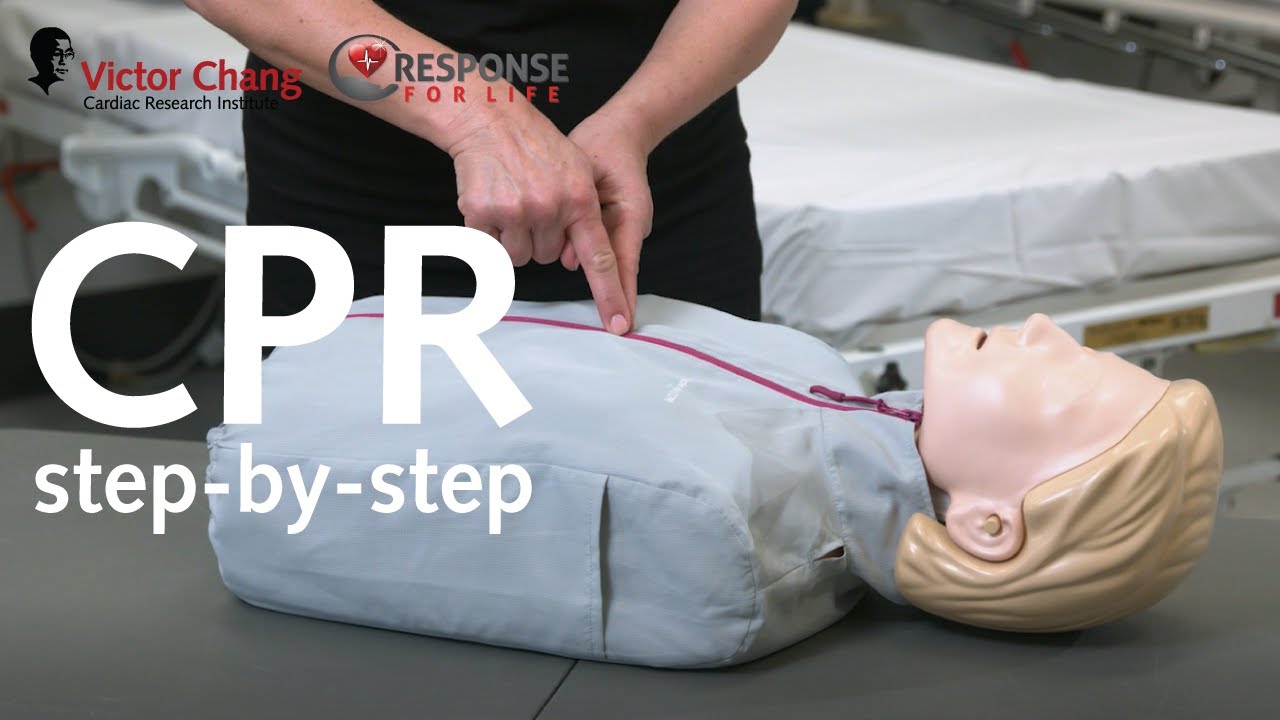
Express cpr training is highly focused. It handles heart attack, unresponsive casualties, the use of an AED, and often choking management. A short express cpr course is perfect for offices where the main risk is a staff member or visitor collapsing from a cardiac occasion, such as workplaces, gyms, neighborhood centres, and numerous retail environments.
Full first aid training, also in express layout, has a wider range. It covers subjects like:
- Wound care and blood loss control. Burns and scalds. Fractures and soft cells injuries. Medical emergency situations such as bronchial asthma, diabetes mellitus, seizures, and anaphylaxis. Environmental concerns like heat, chilly, and small work environment injuries.
Many offices require both: a concentrate on first aid and cpr, not simply one or the various other. Some companies attempt to rely just on short fast cpr courses for everyone, and after that just a handful of personnel take a fuller first aid and cpr course. That can operate in really low‑risk atmospheres, however it is often an incorrect economic climate in manufacturing, building and construction, childcare, or any kind of establishing where individuals are more likely to be injured or become really unwell.

When I audit offices, I take a look at the danger account initially, not the training catalogue. A warehouse with forklifts, hefty lots, and chemical storage has very different first aid training requires compared to a little layout workshop. Both could utilize express first aid courses, but the first will require even more deepness and more coverage per shift.
Making blended and fast shipment really work
The most successful express first aid training programs I have seen share two layout features: clear separation of concept and practice, and callous use of face‑to‑face time for hands‑on skills.
Online modules are perfect for topics such as:
- Basic anatomy and physiology. Recognising symptoms and signs of usual conditions. Understanding the concepts behind the DRSABCD or similar primary study frameworks. Legal and moral problems like authorization, duty of treatment, and infection control.
If participants can finish that product prior to the express first aid course, the fitness instructor can make use of the in‑person session to focus on:
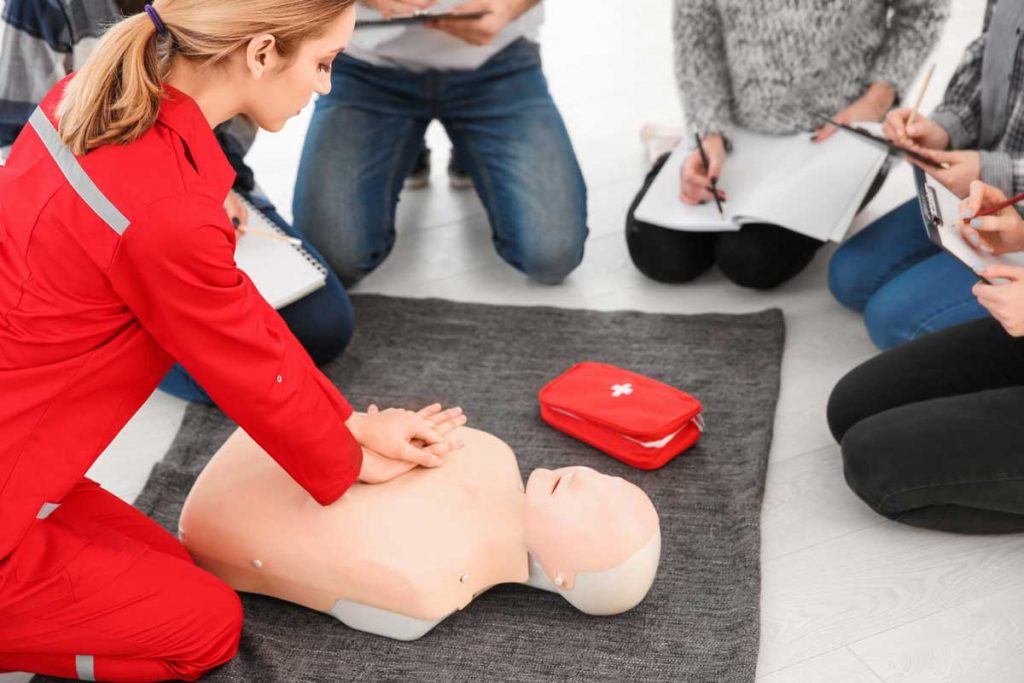
- Demonstrating and practising CPR on grown-up, kid, and infant manikins. Placing casualties in the recovery position. Practising choking monitoring and back blows. Simulating bleeding control, bandaging, and use pressure. Working with brief, sensible circumstances that mirror the customer's workplace.
When companies try to squeeze both hefty concept and complete functional content right into a really brief "fast first aid course" without any pre‑work, something inevitably gets dropped. Usually, that is practice time, which is where learning really sticks.
Blended fast first aid courses are not merely much shorter. They are re‑engineered to utilize each setting of shipment wherefore it does finest. Staff can pause and revisit theory videos, but they can not stop briefly a real cardiac arrest. That is why I withstand any effort to "virtualise" the entire first aid training experience. The human, responsive aspect still matters.
Express child care first aid: why it is different
Childcare atmospheres are their very own cosmos. Express child care first aid courses should reflect that. A generic express cpr course for adults is not enough for educators in charge of infants and young children.
In childcare, the scenarios look various:
- Choking on food or small objects. Allergic reactions and anaphylaxis after direct exposure to nuts, eggs, or insect stings. Falls from play devices bring about possible head injuries. Fever, seizures, and respiratory system distress.
A strong express childcare first aid course or program of express child care first aid training weaves those details dangers with every component of the session. It concentrates a lot more heavily on paediatric assessment, the differences between grown-up and youngster CPR, appropriate permission with moms and dads and guardians, and paperwork needs under child care regulations.
The time variable still matters. Numerous childcare centres run with lean proportions. Taking three teachers off the floor for a full day is a major hit. Express childcare first aid courses that integrate pre‑course online material and a concentrated skills obstruct can keep centres compliant without breaching staffing guidelines. The caution, once more, is that the express course should still fulfill the paediatric first aid and cpr training criteria mandated in your jurisdiction.
If you are a centre supervisor or supervisor, ask on your own a candid question: would certainly I trust my personnel to handle my very own child's emergency after the course they just went to? If the answer is hesitant, the course style is not right, express or otherwise.
When an express first aid course is not enough
There are circumstances where a "fast first aid" method does not serve you, lawfully or practically. I have actually suggested numerous clients to step back from express first aid courses and commit to longer training blocks, a minimum of for crucial staff.
That is usually the case when:
- Your office has high fundamental risk, such as hefty market, high‑voltage job, or remote area procedures where aid is a long means off. You count on a handful of "go‑to" first aiders who are expected to handle much more intricate events instead of merely start basic treatment up until emergency services arrive. You have actually had recent serious cases or near misses out on that subjected voids in your existing first aid training. Your labor force includes several new starters with little prior exposure to any kind of first aid training. Staff participants have language or discovering obstacles that make fast distribution unsuitable.
Fast first aid courses are devices, not an universal remedy. Picking them by default, even if they are shorter, is like selecting security goggles based simply on rate instead of whether they in fact safeguard eyes from the threats at hand.
In some setups, an advanced fap first aid or remote first aid program with added circumstances, prolonged care concepts, and improvised strategies deserves the added time investment. The compliance box might look the same theoretically, yet your sensible risk coverage is far stronger.
What a great express first aid supplier looks like
If you browse "fast first aid course near me," you will find a lengthy checklist of suppliers. Their sites will usually utilize similar language: country wide recognised, experienced trainers, hands‑on, involving. The differences emerge when you ask more comprehensive questions.
Here are five inquiries that separate the serious, compliant service providers from the rest:
How is your express first aid course structured in between online and face‑to‑face parts, and what is the anticipated complete knowing time? How do you contextualise first aid training for our details market and site risks? What ratio of individuals to instructors do you maintain for the abilities component, especially for CPR training? How do you examine capability virtually, not simply theory? How long does the first aid certificate stay legitimate, and what are your options for fast cpr refresher courses?
Listen carefully not just to what they claim, but how certain they are. A company that genuinely understands workplace compliance will certainly talk carefully about mapping to required devices, tailoring circumstances, managing shift employees, and keeping clear training documents you can generate in an audit.
By contrast, if the sales pitch concentrates entirely on just how short and low-cost the course is, or if they can not describe how express cpr courses and complete first aid courses vary in range, keep looking.
Balancing cost, time, and depth
Budget stress are real, and training is commonly one of the initial locations to really feel the capture. I have beinged in many meetings where finance groups ask, "Do we actually need this lots of people on first aid and cpr courses?" or "Can we just do online only for every person this year?"
Here is where knowledgeable judgment issues. First aid costs sits at the intersection of cost control, regulatory conformity, and moral obligation. The trade‑offs are seldom black and white.
Express first aid training can actually save cash when you factor in decreased lost time and more flexible scheduling. For large organisations, spreading out express cpr courses and fast first aid courses throughout the year can smooth the training load and avoid the costly "expiration bubble" where an entire friend's certifications lapse at once.
However, cutting sensible time listed below a specific factor is an incorrect economic situation. After a major incident, the concern is never "How much did the training expense?" It is "Did staff understand what to do, and did they do it?" District attorneys and coroners look really carefully at the high quality and significance of first aid and cpr training classes, not simply the presence of a certificate.
My advice to clients is basic: usage express formats any place they truly fit, yet do not wear down core ability technique. Spend much less on travel and time far from work, out the skills degree you are aiming for.
Getting your work environment all set for express training
For express first aid courses to run smoothly, prep work issues as high as the course material. A couple of functional steps make a large difference.
First, schedule with expiry dates in mind. Track when team first aid certifications and CPR cards expire, and plan express cpr course sessions a number of weeks beforehand. This prevents last‑minute shuffles and maintains you in advance of any kind of conformity gaps.
Second, make clear that online pre‑learning is compulsory, not optional. Staff must finish theory modules prior to reaching the express first aid course, so the trainer can focus on fine‑tuning skills. Where feasible, assign paid time for this, rather than anticipating individuals to do it after a lengthy shift.
Third, entail your health and wellness agents or committee fit the program. They often know which events really take place, which areas staff really feel least positive in, and what sort of express first aid training will have one of the most impact.
Lastly, straighten the training with your first aid devices. It seems fundamental, but numerous workplaces teach team on a kind of first aid package or AED that varies from what is mounted on site. Ask your provider to utilize, or at least mirror, the equipment your individuals will in fact touch throughout an emergency.
Pulling it all together
Workplace first aid should never feel like a grudging compliance exercise. Done properly, a mix of express first aid courses, express cpr training, and targeted childcare or innovative programs develops a living safeguard across your organisation.
You arrive by dealing with "express" as a delivery technique, not a justification to downgrade material. Pick fast first aid courses that maintain the complete discovering results, spend greatly in hands‑on method, and respect the facts of your shift patterns and staffing. Usage express child care first aid where kids are involved, and recognise when a higher degree of fap first aid or remote training is justified.
If, after your following course, you can go through your workplace, factor at any type of first aider, and confidently think, "If something goes badly incorrect, that person will understand specifically what to do," after that you have actually struck the right equilibrium in between speed, depth, and compliance. That is the actual action of whether your express first aid training technique is working.